


Protein is one of the most talked-about nutrients today. From gym-goers to weight-loss seekers, everyone is increasing it—but without truly understanding how much the body actually needs.
Some people eat too little and struggle with weakness, hair fall, and slow metabolism. Others overconsume it thinking “more is better”, which can also cause problems.
So the real question is:
How much protein do you really need per day?
Let’s clear the confusion with science-based, Indian-friendly guidance with the help of an expert Dt. Shreya Gupta Arora
Why Protein Is So Important for the Body
It is not just for muscles or bodybuilders. It plays a vital role in almost every function of the body.
It helps to:
Build and repair muscles
Support metabolism
Improve immunity
Balance hormones
Maintain healthy hair, skin, and nails
Promote fat loss
Keep you full for longer
Without it, no diet can truly work.
Why Most Indians Are Protein Deficient
Despite eating full meals, many Indians still don’t meet their daily requirement.
Common Reasons:
- Carb-heavy meals (roti, rice, potatoes)
- Low protein breakfast
- Skipping protein-rich foods
- Vegetarian diets without planning
- Fear of protein myths
This leads to hidden deficiency, even in overweight individuals.
What Happens If You Don’t Eat Enough Protein?
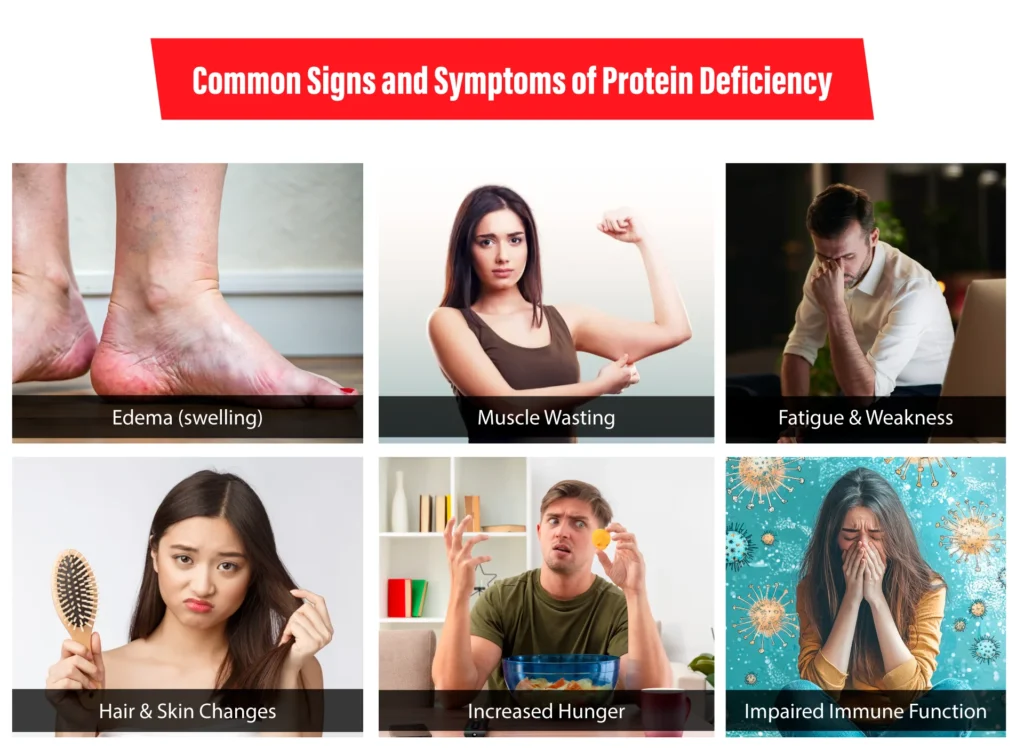
Low intake can cause:
Muscle loss
Weakness and fatigue
Hair fall
Slow metabolism
Poor immunity
Weight loss plateau
Increased cravings
Many people think they need to eat less to lose weight—but often, they actually need to eat more of it.
How Much Protein Do You Really Need Per Day?
It needs depend on:
- Body weight
- Age
- Gender
- Activity level
- Health condition
- Weight goals
Let’s simplify this.
For a Sedentary Adult
For a healthy adult with low physical activity:
0.8–1 gram per kg body weight
Example:
If you weigh 60 kg →
Needed = 48–60 grams/day
This is the minimum requirement to maintain basic health.
For Weight Loss
For fat loss, protein needs increase because it:
Preserves muscle
Boosts metabolism
Controls hunger
1.2–1.5 grams per kg body weight
Example:
60 kg person → 72–90 grams/day
This level supports healthy, sustainable weight loss.
For Active Individuals & Exercise
If you:
- Walk daily
- Do yoga
- Go to the gym
- Strength train
1.5–1.8 grams per kg body weight
Example:
60 kg person → 90–108 grams/day
This helps with recovery and muscle maintenance.
For Muscle Building
For muscle gain (under guidance): 1.8–2 grams per kg body weight
Example:
60 kg person → 108–120 grams/day
Excess beyond this offers no extra benefit.
Needs for Women
Women often need adequate of it, especially during:
- Weight loss
- PCOS
- Post-pregnancy
- Menopause
Most women do well at 1.2–1.5 g/kg/day.
Skipping it can disturb hormonal balance.
Needs for Older Adults (40+)
As we age, muscle loss increases.
1–1.2 g/kg/day is recommended to:
Prevent muscle loss
Improve strength
Maintain metabolism
Is Eating Too Much Protein Harmful?
It is not always better.
Excess can:
Strain kidneys (in people with kidney issues)
Cause dehydration
Lead to digestive discomfort
Replace other essential nutrients
Balance is the key.
Best Protein-Rich Foods for Indians
Vegetarian Sources
- Dal (moong, masoor, chana)
- Paneer
- Curd
- Milk
- Tofu
- Soy products
- Sprouts
- Nuts and seeds
Non-Vegetarian Sources
- Eggs
- Chicken
- Fish
- Lean meat
Protein Powders – Are They Necessary?
Supplements:
Can help if food intake is insufficient
Are NOT mandatory
Food should always be the first priority.
How to Distribute Protein Throughout the Day
One common mistake is eating it only at dinner.
Spread it across all meals.
Example:
- Breakfast: 20–25 g
- Lunch: 25–30 g
- Snack: 10–15 g
- Dinner: 20–25 g
This improves absorption and muscle retention.
Signs You Are Not Eating Enough Protein
- Hair fall
- Weakness
- Poor recovery after exercise
- Frequent hunger
- Weight loss plateau
- Loss of muscle tone
If you see these signs, reassess your intake.
Common Myths (Especially in India)
It damages kidneys (false for healthy people)
Vegetarians can’t meet its needs (false)
Only gym people need it (false)
It causes weight gain (false)
It supports fat loss, not fat gain.
Sample Indian High-Protein Day (Weight Loss Friendly)
Breakfast:
Vegetable dal chilla + curd
Lunch:
Roti + dal + sabzi + salad
Snack:
Roasted chana / sprouts chaat
Dinner:
Paneer or tofu + vegetables
Simple, affordable, and effective.
Why Most Diet Plans Fail Without Enough Protein
Without adequate protein:
- Muscle loss occurs
- Metabolism slows
- Fat loss stalls
- Hunger increases
That’s why it is the foundation of any successful diet.
FAQs (Frequently Asked Questions)
1. Why do I feel weak even after eating full meals?
This usually happens when meals lack enough muscle-supporting nutrients needed for strength and energy.
2. Can poor meal balance slow down weight loss?
Yes. When meals are unbalanced, the body conserves energy, making fat loss slower.
3. Why does dieting cause hair fall in some people?
Rapid or restrictive eating plans reduce essential nutrients required for healthy hair growth.
4. How can I stay full for longer after meals?
Including enough body-building foods, fiber, and healthy fats helps control hunger naturally.
5. Does age affect strength and stamina?
Yes. As age increases, the body needs better nutrient support to maintain strength and energy.
6. Can vegetarian meals support muscle health?
Yes. Well-planned Indian vegetarian meals can support muscle strength and daily energy.
7. Why do I feel tired after starting a diet plan?
Fatigue often means the diet is too restrictive or missing key nutrients.
8. Can weak nutrition affect immunity?
Yes. Poor nutrient intake can lower immunity and increase frequent illness.
9. Is feeling sore for days after exercise normal?
Extended soreness usually indicates poor recovery nutrition or inadequate rest.
10. When should I seek expert guidance for my diet?
If weakness, fatigue, or slow results continue beyond 3–4 weeks despite effort.
Final Words from Dt. Shreya Gupta Arora
It is not a trend—it’s a nutritional necessity. Eating the right amount can completely transform your health, energy, metabolism, and weight-loss journey.
The key is not excess, but balance and consistency.
Call to Action
Not sure how much protein your body needs?
Get a personalized diet plan based on your weight, lifestyle, and health goals.
Book your online consultation with Dt. Shreya Gupta Arora today and fuel your body the right way.