


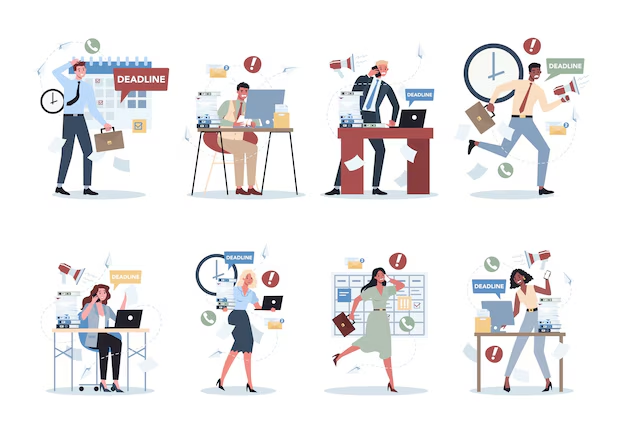
Modern life has become extremely fast-paced—especially in cities like Delhi where odd working hours, traffic, stress, deadlines, and back-to-back meetings leave little space for mindful nutrition. Food becomes more about convenience than nourishment. Breakfast gets skipped, lunch is rushed, coffee becomes fuel, and dinner is often late and heavy.

But here’s the harsh truth:
Your lifestyle is busy, but your body is the machine that keeps you going. If you don’t fuel it right, it will eventually slow down.
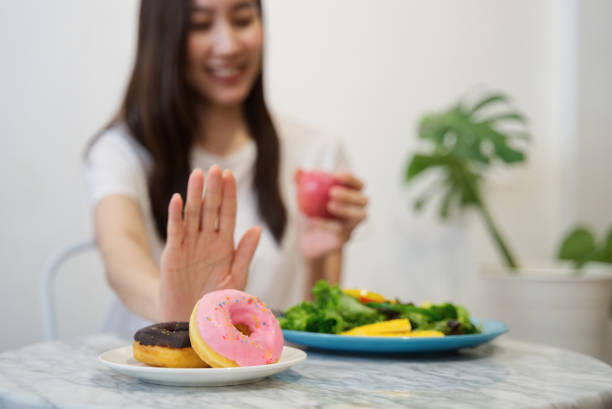
Eating healthy isn’t about dieting or restrictions—it’s about giving your body what it needs to perform at its best. A well-nourished body means sharper thinking, sustained energy, better mood, improved immunity, glowing skin, and a healthier weight.
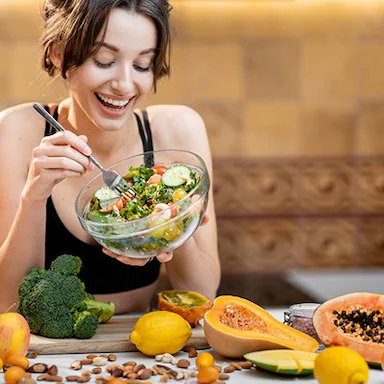
This guide is crafted specially for working professionals, entrepreneurs, students, moms, and anyone living a fast urban life. It is packed with real, practical advice—not unrealistic “green smoothie only” routines.
Let’s transform your nutrition journey step by step with the help of Dietician Shreya Gupta Arora
Why Healthy Eating Matters More Today Than Ever Before
With rising lifestyle diseases like obesity, diabetes, hypertension, fatty liver, PCOS, thyroid issues—nutrition has become a necessity, not luxury.
Healthy food affects your:
- Energy & stamina
- Focus & productivity
- Metabolism & weight
- Hormonal balance
- Immunity & healing
- Mood & stress levels
- Sleep quality
Your body is built from what you eat. Every cell, muscle, hormone, and organ is shaped by your nutrition choices.
Healthy eating is not about being perfect—it’s about being consistent with small daily improvements.
Signs You Need a Diet Reset
If you relate to any of these, this blog is for you:
- Feeling tired even after waking up
- Frequent acidity, bloating, constipation
- Cravings for sugar/tea/coffee
- Irregular meals
- Unintentional weight gain
- Stress eating
- Brain fog or low concentration
- Late-night hunger
- Skin dullness, hair fall
You don’t need a strict, boring, bland diet—just healthier choices.
What Does a Truly Balanced Meal Look Like?
A balanced meal is not only roti + sabzi. It should have four components:
The Smart Plate Formula
| Component | Role | Examples |
|---|---|---|
| Carbs (25%) | Energy | Roti, rice, dalia, oats, millet |
| Protein (25%) | Muscle repair, hunger control | Eggs, paneer, chicken, legumes |
| Vegetables (50%) | Fiber, vitamins & minerals | Mixed sabzi, salad, greens |
| Healthy Fats | Hormonal balance | Ghee, nuts, seeds, olive oil |
Most people in India eat more carbs and very less protein.
Correcting protein intake alone can reduce cravings and support weight loss.
Healthy Eating for Busy People – Realistic, Practical & Sustainable
Tip 1: Never skip breakfast
Skipping breakfast slows metabolism and triggers overeating later.
Good options:
- Vegetable poha/upma
- Oats with nuts & fruits
- Moong dal chilla with paneer
- Sprout salad + boiled eggs
- Multigrain paratha + curd
Quick hack: soak oats/dalia overnight → cook in 5 minutes.
Tip 2: Plan & Meal Prep
If you don’t plan food, cravings will plan for you.
- Chop veggies at night
- Cook extra sabzi/dal for next day
- Keep healthy snacks ready
- Carry lunch to office
Planning = 70% success in healthy eating.
Tip 3: Carry Snacks to avoid junk
Instead of samosa/biscuits/chips:
Healthy portable snacks:
- Nuts & seeds mix
- Roasted chana/makhana
- Fruit + peanut butter
- Yogurt cup
- Protein bars (limit sugar)
Even one small choice a day counts.
Tip 4: Don’t drink your calories
Soft drinks, cold coffee, packaged juices = hidden sugar.
Replace with:
- Coconut water
- Infused water
- Buttermilk
- Lemon water
- Green tea
Hydration itself reduces headaches & fatigue.
Tip 5: Follow the 80-20 Rule
No need to quit treats forever.
80% healthy meals + 20% flexible enjoyment = perfect balance.
Eat clean most days, enjoy occasional biryani without guilt.
Weekday-Friendly Meal Plan (Easy & Workable)
| Day | Breakfast | Lunch | Snack | Dinner |
|---|---|---|---|---|
| Monday | Smoothie + seeds | Roti + dal + sabzi | Makhana | Veg soup + paneer |
| Tuesday | Moong chilla | Brown rice + rajma | Fruit bowl | Roti + sabzi |
| Wednesday | Oats banana nuts | Quinoa pulao + curd | Coconut water + nuts | Light khichdi |
| Thursday | Upma/poha | Roti + paneer sabzi | Sprouts chaat | Oats/veg bowl |
| Friday | Paratha + curd | Rice + chole + salad | Yogurt cup | Grilled chicken |
| Saturday | Idli + sambar | Millet khichdi | Corn salad | Soup + roti |
| Sunday | Family meal | Flexible choices | Fruit snack | Early light dinner |
How to Eat Healthy While Dining Out in Delhi
You can enjoy restaurants smartly.
Choose:
Tandoori/grilled over fried
Dal/rajma over cream-rich gravy
Whole wheat/roti over naan
Clear soups over creamy soups
Lemon water over aerated drinks
Moderation > Restriction.
Lifestyle Habits That Boost Results
Food is just one part. Habits play an equal role.
- Sleep 7–8 hours daily
- Walk 7,000–10,000 steps
- Reduce screen time at night
- Avoid eating very late
- Practice deep breathing/meditation
- Include 30 mins of movement
Small habits → big transformation.
Mistakes People Make While Trying to Eat Healthy
Skipping meals for weight loss
Crash diets that damage metabolism
Eliminating entire food groups
Living only on fruits/salads
Overeating “healthy foods”
Depending on detox teas
Healthy eating should make you feel strong, energetic & nourished, not weak or restricted.
When Do You Need a Dietician?
A professional diet consultation is helpful if you:
- Want weight loss/weight gain
- Have PCOS/thyroid/diabetes
- Need diet during pregnancy
- Have digestive issues
- Want muscle building
- Have hormonal imbalance
- Want personalised meal plans
Every body is different—a personalized diet works better than a generic one. for personalized diet plans contact Dietician Shreya Gupta Arora
Conclusion
You don’t need extreme diets or complicated recipes to stay healthy. Start with small changes—one healthy meal, one glass more water, one snack swap, one step at a time.
The goal is progress, not perfection.
Your body is your lifetime asset. Nourish it well today, so it supports you tomorrow.
Frequently Asked Questions (FAQs)
1. What is the easiest way to start eating healthy?
Start with small changes—include one fruit daily, drink more water, add protein in meals, and reduce junk gradually instead of cutting it out suddenly.
2. Can I lose weight without going to the gym?
Yes. Weight loss is 70% diet and 30% physical activity. A balanced diet + walking + simple home workouts can give excellent results.
3. How many meals should I eat in a day?
Ideally 3 main meals + 1–2 small healthy snacks. Avoid long gaps between meals to prevent overeating.
4. What is the best time to have dinner?
Try to finish dinner 2-3 hours before bedtime. Eating late can lead to indigestion, bloating, and weight gain.
5. Are carbohydrates bad for weight loss?
Not at all. Carbs are necessary for energy. Choose complex carbs like roti, brown rice, oats, millets instead of refined white bread and sugary foods.
6. How can I control sugar cravings?
Increase protein & fiber intake, don’t skip meals, drink enough water, and replace desserts with fruit or dark chocolate occasionally.
7. Is it okay to drink tea or coffee daily?
Yes, but in moderation (1-2 cups/day). Avoid too much sugar and don’t drink tea/coffee on an empty stomach to protect gut health.
8. Are cheat meals allowed during dieting?
Yes. A weekly controlled cheat meal helps sustain the diet mentally without affecting long-term progress.
9. How much water should I drink in a day?
Aim for 2.5–3 liters daily, but increase intake in summer or if you exercise.
10. Do I need a dietician even if I eat healthy?
A dietician helps personalize your diet according to your lifestyle, medical conditions, goals, and food preferences—something generic diets can’t do.