

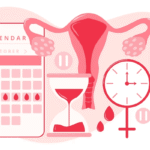
Irregular periods are one of the most common health concerns among women today—especially in India.

Missed cycles, delayed periods, spotting, heavy bleeding, or unpredictable timing are often dismissed as “normal” or blamed on stress. However, your menstrual cycle is a vital health indicator, and irregularity is a sign that your body needs attention.
The good news?
In many cases, diet and lifestyle changes can significantly improve menstrual regularity.

Let’s understand how nutrition affects your cycle and what a diet for irregular periods should look like with the help of Dt. Shreya Gupta Arora
What Are Irregular Periods?
A normal menstrual cycle typically ranges between 21 to 35 days.
Periods may be considered irregular if you experience:
- Delayed or missed cycles
- Periods occurring too frequently
- Very heavy or very light bleeding
- Spotting between cycles
These changes often indicate hormonal imbalance, which is strongly influenced by nutrition.
Common Causes of Irregular Periods
Irregular cycles can be triggered by:
- Hormonal imbalance
- PCOS
- Thyroid disorders
- Sudden weight loss or gain
- Stress and poor sleep
- Excessive exercise
- Nutrient deficiencies
Among these, diet plays a foundational role.
How Diet Affects Menstrual Health
Hormones responsible for menstruation depend on:
- Adequate nourishment
- Stable blood sugar levels
- Healthy fat intake
- Micronutrient balance
Skipping meals, under-eating, or following fad diets can disturb these systems—leading to irregular cycles.
Best Diet for Irregular Periods (Indian Perspective)
Eat Balanced, Regular Meals
Irregular eating patterns confuse hormonal signals.
Eat every 3–4 hours
Avoid skipping meals
Maintain consistent meal timing
This helps stabilize blood sugar and hormone release.
Include Iron-Rich Foods
Heavy or irregular periods often deplete iron stores.
Indian food sources:
- Green leafy vegetables
- Beetroot
- Dates and raisins
- Legumes
- Jaggery (in moderation)
Adequate iron supports healthy blood flow and cycle regularity.
Healthy Fats Are Essential for Hormones
Extremely low-fat diets can disrupt estrogen and progesterone balance.
Include:
- Nuts and seeds
- Ghee (small amounts)
- Coconut
- Cold-pressed oils
Healthy fats support hormone production naturally.
Focus on Whole Grains
Refined carbs spike insulin, which can worsen hormonal imbalance.
Choose:
- Brown rice
- Millets
- Whole wheat
- Oats
These help regulate insulin levels—especially important for PCOS-related irregular periods.
Add Plenty of Vegetables
Vegetables support liver detoxification, which helps clear excess hormones.
Aim for:
- At least 3–4 servings daily
- Variety of colors
Cruciferous vegetables like cabbage, cauliflower, and broccoli are particularly helpful.
Include Calcium-Rich Foods
Calcium supports muscle contraction and hormonal signaling.
Indian options:
- Milk and curd
- Paneer
- Sesame seeds
- Ragi
Adequate intake may help reduce cycle irregularity and cramps.
Manage Sugar and Processed Foods
High sugar intake worsens insulin resistance and hormone imbalance.
Limit:
Sugary drinks
Bakery items
Packaged snacks
Stable blood sugar = stable cycles.
Stay Hydrated
Dehydration can worsen cramps and hormonal stress.
2.5–3 liters water daily
Herbal teas can help
Hydration supports circulation and detoxification.
Support Gut Health
Poor digestion affects nutrient absorption and hormone clearance.
Include curd or fermented foods
Eat slowly
Avoid overeating
A healthy gut supports hormonal balance.
Maintain a Healthy Body Weight
Both under-weight and over-weight conditions can disrupt menstruation.
Balanced nutrition—not crash dieting—is key.
Sample Indian Diet Plan for Irregular Periods
Morning:
Warm water + soaked nuts
Breakfast:
Vegetable poha / oats / stuffed paratha with curd
Mid-Morning:
Fruit
Lunch:
Roti or rice + dal + sabzi + salad
Evening Snack:
Roasted chana / makhana
Dinner:
Vegetables + paneer/tofu + soup
Simple, nourishing, and hormone-friendly.
Lifestyle Tips That Support the Diet
Sleep 7–8 hours
Manage stress (yoga, breathing)
Avoid excessive workouts
Maintain consistent routines
Nutrition works best when lifestyle supports it.
When Diet Alone Is Not Enough
You should consult a dietitian if:
- Periods are absent for 2–3 months
- You have PCOS or thyroid issues
- Symptoms worsen despite changes
- You experience severe pain or heavy bleeding
Personalized guidance can make a significant difference.
FAQs ( Frequently Asked Questions)
1. Can diet really regulate periods?
Yes, in many cases.
2. How long does diet take to show results?
Usually 2–3 months.
3. Are irregular periods common with PCOS?
Yes.
4. Should I avoid fats completely?
No, healthy fats are essential.
5. Does skipping meals affect cycles?
Yes, strongly.
6. Can stress delay periods?
Absolutely.
7. Is vegetarian food enough?
Yes, when balanced.
8. Does weight affect menstruation?
Yes.
9. Are supplements always needed?
Not always.
10. Can a dietitian help?
Yes, especially for long-term regulation.
Final Thoughts from Dt. Shreya Gupta Arora
Your menstrual cycle reflects your internal health.
Irregular periods are not something to “ignore” or “push through.”
With the right diet, lifestyle, and guidance, your body can regain balance naturally.
Call to Action
Struggling with irregular periods or hormonal imbalance?
Get a personalized nutrition plan designed for your body and lifestyle.
Book your online consultation with Dt. Shreya Gupta Arora today and support your menstrual health naturally.