

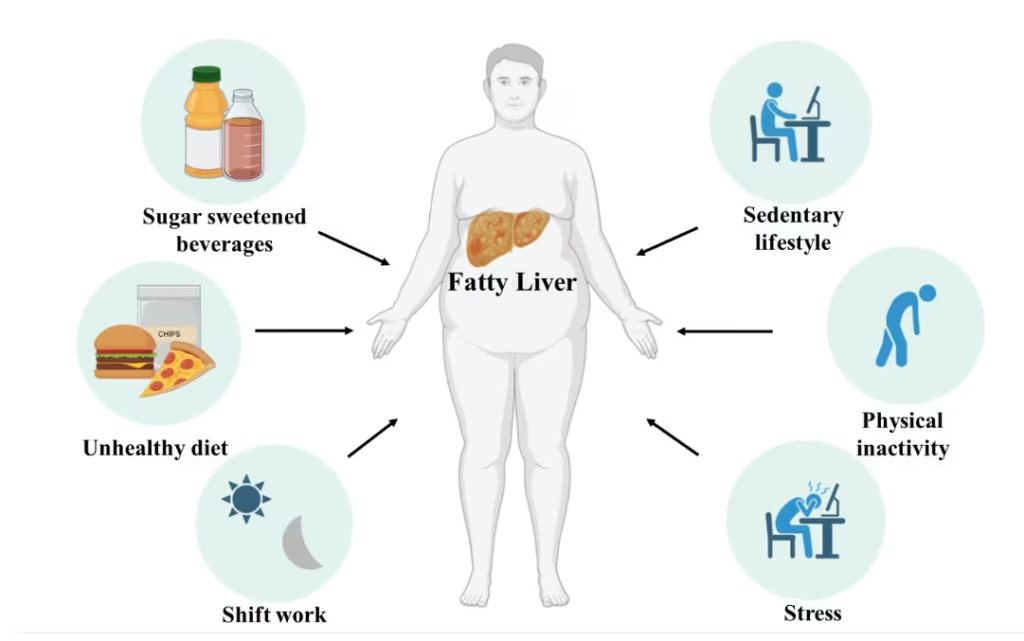
Fatty liver disease has become increasingly common due to sedentary lifestyles, unhealthy eating habits, stress, and rising cases of obesity and diabetes. Many people are diagnosed with it during routine health checkups and are often unsure about what to eat and what to avoid.
The good news is that it can be reversed, especially in its early stages, with the right diet and lifestyle changes. Among all treatment options, diet plays the most crucial role in reducing liver fat, improving liver function, and preventing progression.
In this blog, we will discuss a diet , including foods to eat, foods to avoid, practical Indian meal tips, and how proper nutrition can heal your liver naturally with Dt. Shreya Gupta Arora.
What Is Fatty Liver Disease?
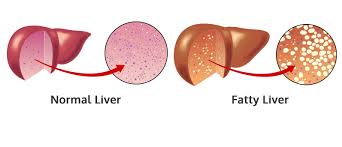
It occurs when excess fat accumulates in liver cells. When fat exceeds 5–10% of liver weight, it leads to fatty liver.
Types
1. Non-Alcoholic Fatty Liver Disease (NAFLD)
- Most common type
- Caused by obesity, insulin resistance, poor diet, diabetes
2. Alcoholic Fatty Liver Disease
- Caused by excessive alcohol consumption
If not managed, fatty liver can progress to inflammation, fibrosis, cirrhosis, and liver failure.
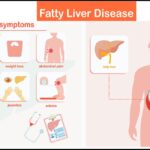
Symptoms
Many people have no symptoms initially. Common signs may include:
- Fatigue
- Abdominal discomfort
- Bloating
- Weight gain
- Poor digestion
- Elevated liver enzymes
Early dietary intervention is key.
Why Diet Is Important
The liver plays a central role in metabolism. Poor diet increases:
- Liver fat storage
- Insulin resistance
- Inflammation
A proper diet plan helps:
- Reduce liver fat
- Improve insulin sensitivity
- Lower inflammation
- Promote weight loss
- Restore liver function
Principles of a Diet
A liver-friendly diet should:
Reduce excess calories
Control sugar and refined carbs
Provide adequate protein
Include healthy fats
Be rich in fiber and antioxidants
Support gradual weight loss
Best Foods to Eat (Indian-Friendly)
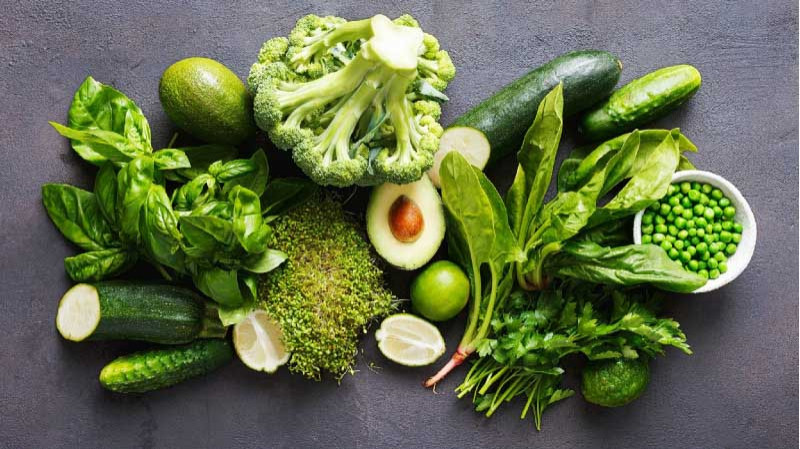
Vegetables (Daily Essential)
- Spinach
- Bottle gourd (lauki)
- Ridge gourd (tori)
- Pumpkin
- Carrot
- Beetroot
- Broccoli
- Cabbage
Vegetables are low in calories and reduce liver fat.
Fruits (In Moderation)
- Apple
- Papaya
- Guava
- Orange
- Berries
- Kiwi
Choose whole fruits instead of juices.
Whole Grains
- Oats
- Brown rice
- Millets (ragi, jowar, bajra)
- Whole wheat roti
They improve insulin sensitivity and digestion.
Protein Sources
- Dal and legumes
- Sprouts
- Paneer (limited)
- Eggs
- Fish
- Grilled chicken
Protein helps repair liver cells and supports fat loss.
Healthy Fats
- Nuts (almonds, walnuts)
- Seeds (flaxseeds, chia seeds)
- Olive oil
- Mustard oil
Omega-3 fats help reduce liver inflammation.
Dairy (Low-Fat)
- Low-fat curd
- Buttermilk
Probiotics improve gut and liver health.
Herbs and Spices
- Turmeric
- Garlic
- Ginger
- Cinnamon
- Cumin
These have natural liver-protective properties.
Foods to Avoid
Sugar and sweets
Bakery items and desserts
White bread and maida products
Fried foods
Fast food
Sugary drinks
Packaged snacks
Excess alcohol
These foods increase liver fat and inflammation.
Fatty Liver Diet and Weight Loss
Even 5–10% weight loss can significantly reduce liver fat. A balanced diet:
- Controls calories
- Improves metabolism
- Reduces insulin resistance
Crash dieting should be avoided as it may worsen liver health.
Fatty Liver and Carbohydrates
Carbs are not bad, but type and quantity matter.
Choose complex carbs
Avoid refined carbs and sugar
Balanced carbs help stabilize blood sugar and prevent fat accumulation.
Role of Fiber in Fatty Liver
Fiber:
- Improves digestion
- Reduces fat absorption
- Controls cholesterol
- Supports gut-liver axis
Aim for vegetables, fruits, and whole grains daily.
Importance of Hydration
Drinking enough water:
- Supports detoxification
- Improves digestion
- Reduces bloating
Avoid sugary beverages and alcohol.
Lifestyle Tips Along With Diet
Walk daily (30–45 minutes)
Avoid late-night eating
Manage stress
Sleep 7–8 hours
Avoid alcohol
Stay consistent
Diet works best with lifestyle correction.
Role of a Dietitian in Management
A dietitian:
- Designs a personalized fatty liver diet
- Helps with portion control
- Ensures nutrient adequacy
- Tracks liver enzyme improvement
- Prevents disease progression
Personalized plans give better and faster results.
Common Myths About Fatty Liver Diet
It needs medicines only
Fruits should be avoided completely
Oil should be eliminated
It is not serious
Truth: Diet and lifestyle can reverse it effectively.
How Long Does It Take to Improve Fatty Liver?
With proper diet and lifestyle:
- Improvement can be seen in 8–12 weeks
- Liver enzymes gradually normalize
- Fat accumulation reduces
Consistency is the key.
FAQs (Frequently Asked Questions)
1. Can fatty liver be cured by diet alone?
Yes, in early stages, diet and lifestyle changes can reverse fatty liver.
2. Is rice allowed in fatty liver?
Yes, in controlled portions and preferably brown rice.
3. Are fruits bad for fatty liver?
No, whole fruits are beneficial when eaten in moderation.
5. Can weight loss improve liver issues?
Yes, even small weight loss significantly reduces liver fat.
6. Should alcohol be stopped completely?
Yes, alcohol should be avoided.
7. Are eggs good for fatty liver?
Yes, eggs are a good protein source when eaten in moderation.
8. Can exercise reverse fatty liver?
Yes, combined with diet, exercise speeds up recovery.
9. Is fatty liver common in diabetics?
Yes, insulin resistance increases the risk.
10. Who should guide a fatty liver diet plan?
A qualified dietitian for safe and effective results.
Conclusion
A diet is not about extreme restrictions but about smart, balanced eating. By choosing the right foods and avoiding inflammatory triggers, you can reduce liver fat, improve digestion, and restore liver health naturally.
It is reversible—your daily food choices make the biggest difference.
Call to Action
Diagnosed with fatty liver and confused about what to eat?
Book a personalized diet consultation today and start your liver-healing journey with expert guidance, Dt. Shreya Gupta Arora.