


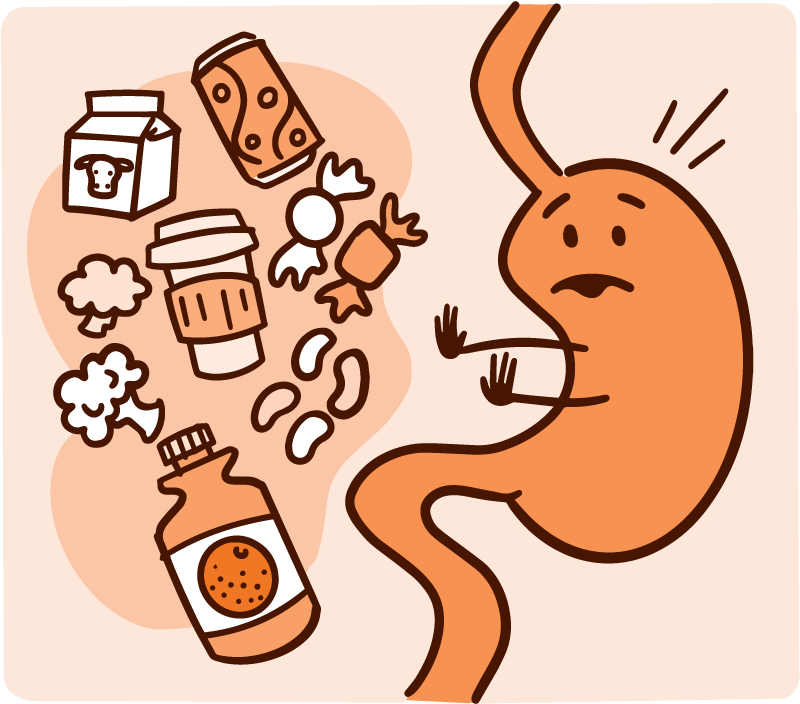
Digestive issues like bloating, acidity, gas, constipation, and irregular bowel movements have become extremely common today. Poor lifestyle habits, stress, processed foods, and erratic eating patterns are silently damaging our gut health.
If you often feel uncomfortable after meals or struggle with digestion, the root cause is usually an imbalanced gut.
The good news?
You don’t need expensive supplements or detox plans.
The best diet focuses on simple, natural, and balanced foods that heal your digestive system from within.
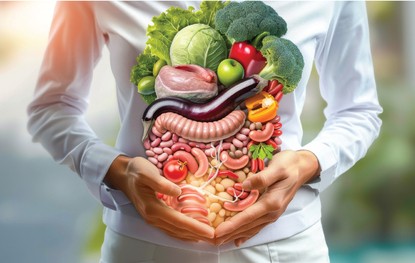
Let’s understand how you can improve digestion naturally with the expert Dt. Shreya Gupta Arora .
What Is Gut Health and Why Is It So Important?
Your gut includes the stomach, intestines, and trillions of beneficial bacteria (gut microbiome) living inside your digestive tract.
A healthy gut:
Breaks down food efficiently
Absorbs nutrients properly
Strengthens immunity
Regulates metabolism
Improves mood and energy
An unhealthy gut can lead to:
Gas and bloating
Constipation or loose motions
Acid reflux
Frequent infections
Weight gain
Poor immunity
This is why focusing on a healthy gut diet plan is essential for overall wellness.
Signs Your Gut Health Is Poor
You may need to improve if you experience:
- Frequent bloating or gas
- Constipation or irregular bowel movements
- Acidity or heartburn
- Food intolerances
- Low energy levels
- Sugar cravings
- Frequent illness
These signs indicate that your digestive system needs healing—not restriction.
How Diet Affects Gut Health
Everything you eat directly influences your gut bacteria.
Poor Diet Leads To:
- Growth of harmful bacteria
- Inflammation of the gut lining
- Poor digestion and absorption
Right Diet Leads To:
- Balanced gut microbiome
- Strong digestion
- Reduced bloating and acidity
That’s why choosing the best diet for gut health can transform your digestion naturally.
Key Principles of the Best Diet for Gut Health
1. Eat Fresh, Whole Foods
Highly processed foods damage gut bacteria and slow digestion.
Choose:
- Fresh vegetables
- Fruits
- Whole grains
- Homemade meals
2. Add Fiber Gradually
Fiber feeds good gut bacteria and improves bowel movement.
Sources:
- Vegetables
- Fruits
- Whole grains
- Seeds
Sudden excess fiber may cause bloating—add slowly.
3. Include Probiotic Foods Daily
Probiotics add beneficial bacteria to your gut.
Natural Indian probiotic foods:
- Curd
- Buttermilk
- Fermented foods
4. Stay Hydrated
Water helps move food smoothly through the digestive tract.
Aim for 2.5–3 liters per day.
5. Eat Mindfully
Chew your food properly and avoid eating in a hurry.
Digestion begins in the mouth.
Best Foods for Gut Health (Indian Diet Focus)
1. Curd & Buttermilk (Natural Probiotics)
Curd improves gut bacteria and digestion.
Best time: Lunch
Avoid at night if you have sinus or bloating
2. Vegetables (Fiber-Rich Foods)
Vegetables support bowel regularity.
Best options:
- Lauki
- Tori
- Pumpkin
- Carrot
- Spinach
3. Fruits for Digestion
Fruits provide enzymes and fiber.
Best fruits for gut health:
- Papaya
- Banana
- Apple
- Pomegranate
Eat fruits alone or as mid-meal snacks.
4. Whole Grains
Replace refined grains with:
- Oats
- Brown rice
- Millets
- Multigrain roti
They improve digestion and prevent constipation.
5. Nuts and Seeds
Provide healthy fats and support gut lining.
- Flaxseeds
- Chia seeds
- Almonds
- Walnuts
Use in moderation.
6. Gut-Friendly Spices
Indian spices naturally support digestion:
- Jeera
- Ajwain
- Saunf
- Haldi
- Ginger
Use them daily in cooking.
Foods to Avoid for Better Gut Health
Fried foods
Bakery items
Sugary drinks
Excess tea/coffee
Alcohol
Highly processed snacks
These irritate the gut lining and disturb gut bacteria
Sample Indian Diet Plan for Gut Health
Early Morning
- Warm water
- Jeera or saunf water
Breakfast
- Vegetable oats / dal chilla
- 1 bowl curd
Mid-Morning
- 1 fruit (papaya or apple)
Lunch
- Multigrain roti or rice
- Dal / curd
- Seasonal vegetables
- Salad
Evening Snack
- Roasted chana / makhana
- Herbal tea
Dinner (Light)
- Vegetable soup
- Stir-fried vegetables
- 1 roti (optional)
Finish dinner early for better digestion.
How Stress Affects Gut Health
Your gut and brain are directly connected (gut-brain axis).
Stress can cause:
- Acid reflux
- IBS symptoms
- Poor digestion
Include:
Deep breathing
Light walking
Adequate sleep
Diet alone cannot fix digestion if stress is ignored.
Gut Health and Weight Management
Poor gut health can:
- Slow metabolism
- Increase fat storage
- Cause sugar cravings
A healthy gut:
Improves metabolism
Controls appetite
Supports sustainable weight loss
This is why many weight loss plans fail when digestion is ignored.
Common Gut Health Mistakes
Skipping meals
Eating too fast
Excess protein without fiber
Random probiotic supplements
Detox diets
Healing the gut needs consistency, not extremes.
Do You Need Supplements for Gut Health?
Most people can improve digestion naturally with food.
Supplements may be needed only if:
- Chronic digestive issues
- Medical conditions
- Doctor or dietitian recommends
Never self-medicate.
How Long Does It Take to Improve Gut Health?
With the right diet:
- Minor improvement: 1–2 weeks
- Significant improvement: 4–8 weeks
Consistency is the key.
Why a Personalized Gut Health Diet Works Better
Every gut is different.
A customized plan considers:
- Food tolerance
- Lifestyle
- Medical history
- Stress levels
This ensures:
Better digestion
Reduced bloating
Long-term gut health
FAQs (Frequently Asked Questions.)
1. What is the best food for digestion?
Curd, vegetables, fruits, and whole grains.
2. Can gut health affect immunity?
Yes, 70% of immunity comes from the gut.
3. Is milk good for gut health?
Depends on tolerance—curd is usually better.
4. Are probiotics safe daily?
Natural probiotics from food are safe.
5. Can gut health improve skin?
Yes, a healthy gut improves skin and hair.
6. Is fasting good for gut health?
Not recommended without guidance.
7. Can stress worsen digestion?
Yes, stress directly affects gut function.
8. Are digestive teas effective?
They help but cannot replace a balanced diet.
9. How much fiber should I eat?
25–30 grams per day from food.
10. Should I consult a dietitian for gut issues?
Yes, especially for chronic problems.
Final Words from Dt. Shreya Gupta Arora
Your gut is the foundation of your health. When digestion improves, everything—from energy levels to immunity and weight—starts falling into place.
Instead of quick fixes, focus on a balanced, natural, and sustainable gut health diet.
Call to Action
Struggling with bloating, acidity, or poor digestion?
Get a personalized gut health diet plan designed specially for your body. Book your online consultation with Dt. Shreya Gupta Arora today and start healing your gut naturally.