

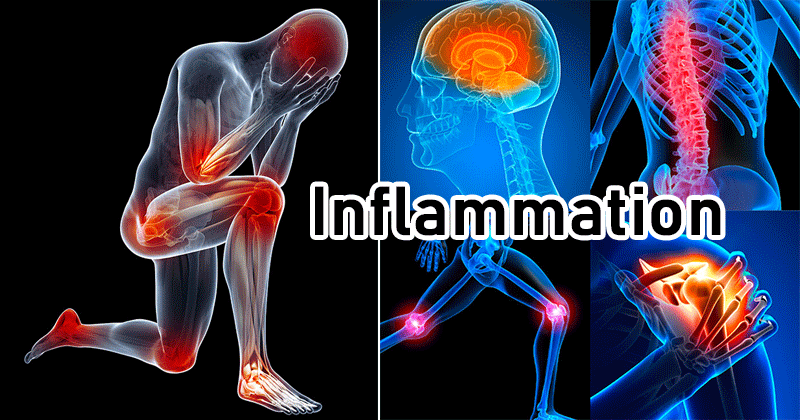
Inflammation is the body’s natural defense mechanism. It helps protect us from infections, injuries, and toxins. However, when inflammation becomes chronic, it can silently damage the body and lead to serious health problems such as diabetes, heart disease, arthritis, obesity, PCOS, autoimmune disorders, and digestive issues.

Modern lifestyles, poor eating habits, stress, lack of sleep, and processed foods have significantly increased chronic inflammation. This is where an anti-inflammatory diet plays a powerful role.
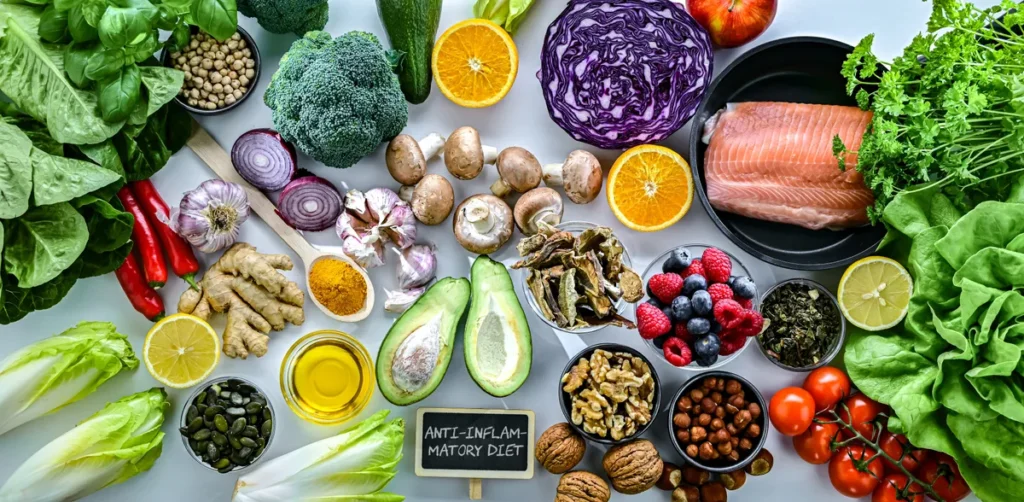
An anti-inflammatory diet focuses on whole, nutrient-rich foods that reduce inflammation at its root, support healing, and promote long-term health. In this blog, we will explore the anti-inflammatory diet, its benefits, foods to eat, foods to avoid, and how to follow it practically, especially with Indian food choices with our experts views, Dt. Shreya Gupta Arora.
What Is Inflammation?
Inflammation is the body’s immune response to harm. There are two types:
1. Acute
- Short-term
- Happens due to injury or infection
- Symptoms include redness, swelling, pain
This type of inflammation is normal and necessary.
2. Chronic
- Long-lasting
- Often silent
- Linked to lifestyle and diet
Chronic inflammation is dangerous and can slowly damage organs and tissues over time.
What Is an Anti-Inflammatory Diet?
An anti-inflammatory diet is a way of eating that focuses on foods known to reduce inflammation and avoids foods that trigger inflammatory responses in the body.
This diet emphasizes:
- Whole foods
- Natural antioxidants
- Healthy fats
- Fiber-rich foods
- Balanced nutrition
It is not a temporary diet but a long-term lifestyle approach to better health.
Benefits of an Anti-Inflammatory Diet
1. Reduces Chronic Inflammation
The primary benefit is lowering inflammation markers in the body, helping prevent long-term diseases.
2. Supports Heart Health
Anti-inflammatory foods reduce bad cholesterol, improve blood circulation, and protect the heart.
3. Helps in Weight Management
Inflammation is linked to obesity. Reducing inflammation improves metabolism and supports healthy weight loss.
4. Improves Gut Health
Fiber and antioxidants support gut bacteria and reduce digestive issues like bloating and acidity.
5. Helps Manage Diabetes
An inflammation-reducing diet improves insulin sensitivity and blood sugar control.
6. Supports Hormonal Balance
Women with PCOS, thyroid disorders, or irregular periods benefit greatly from anti-inflammatory nutrition.
7. Reduces Joint Pain and Arthritis Symptoms
Many people experience reduced joint pain and stiffness after following this diet consistently.
8. Improves Skin and Immunity
Healthy fats and antioxidants improve skin glow and strengthen the immune system.
Who Should Follow an Anti-Inflammatory Diet?
- People with diabetes or prediabetes
- PCOS and hormonal imbalance
- Arthritis or joint pain
- Digestive issues
- Heart disease or high cholesterol
- Fatty liver
- Autoimmune conditions
- Anyone aiming for long-term health
Anti-Inflammatory Foods List (Indian-Friendly)
Vegetables (Base of the Diet)
- Spinach
- Broccoli
- Cauliflower
- Cabbage
- Bottle gourd (lauki)
- Ridge gourd (tori)
- Carrots
- Beetroot
Vegetables are rich in antioxidants and fiber that fight inflammation.
Fruits
- Berries (strawberries, blueberries)
- Apples
- Oranges
- Pomegranate
- Papaya
- Guava
Fruits provide natural antioxidants and vitamin C.
Healthy Fats
- Nuts (almonds, walnuts)
- Seeds (flaxseeds, chia seeds, pumpkin seeds)
- Olive oil
- Mustard oil
- Ghee (in moderation)
Healthy fats help reduce inflammatory markers.
Whole Grains
- Brown rice
- Oats
- Millets (ragi, jowar, bajra)
- Whole wheat
Whole grains are high in fiber and help control blood sugar.
Protein Sources
- Dal and legumes
- Paneer (limited quantity)
- Curd and yogurt
- Eggs
- Fish (rich in omega-3 fatty acids)
Adequate protein supports healing and muscle health.
Herbs and Spices
- Turmeric
- Ginger
- Garlic
- Cinnamon
- Black pepper
- Cloves
Indian spices are naturally anti-inflammatory.
Beverages
- Green tea
- Herbal teas
- Warm water
- Coconut water
Hydration helps flush toxins and reduce inflammation.
Foods to Avoid on an Anti-Inflammatory Diet
Refined sugar
White bread and maida products
Deep-fried foods
Packaged snacks
Sugary beverages
Excess alcohol
Trans fats and margarine
These foods increase inflammation and worsen health conditions.
Anti-Inflammatory Diet and Weight Loss
Inflammation often blocks weight loss by disturbing hormones and metabolism. An anti-inflammatory diet:
- Improves insulin sensitivity
- Reduces belly fat
- Controls cravings
- Supports sustainable fat loss
Weight loss becomes easier when inflammation is controlled.
Anti-Inflammatory Diet for Gut Health
Chronic inflammation damages the gut lining. Fiber-rich and probiotic foods help:
- Improve digestion
- Reduce bloating
- Heal the gut
- Improve nutrient absorption
A healthy gut equals better immunity and mental health.
Anti-Inflammatory Diet for PCOS and Hormonal Issues
Women with PCOS often have low-grade inflammation. This diet helps by:
- Balancing blood sugar
- Supporting hormone regulation
- Reducing acne and hair fall
- Improving menstrual regularity
How to Follow an Anti-Inflammatory Diet Daily
Eat more whole foods
Cook at home whenever possible
Use healthy oils
Include fruits and vegetables in every meal
Avoid packaged and processed foods
Stay physically active
Manage stress and sleep well
Consistency is the key to seeing results.
Common Myths About Anti-Inflammatory Diet
It is very restrictive
It is expensive
It is only for sick people
Truth: Anyone can follow it for better health.
Role of a Dietitian in Anti-Inflammatory Nutrition
A dietitian:
- Identifies inflammation triggers
- Creates personalized meal plans
- Ensures balanced nutrition
- Helps manage medical conditions
- Provides long-term guidance
Personalization is essential for best results.
FAQs (Frequently Asked Questions)
1. What is an anti-inflammatory diet?
A diet focused on foods that reduce inflammation naturally.
2. Can this diet help with weight loss?
Yes, it improves metabolism and supports healthy fat loss.
3. Is turmeric good for inflammation?
Yes, turmeric has strong anti-inflammatory properties.
4. Can diabetics follow an anti-inflammatory diet?
Absolutely, with proper personalization.
5. How long does it take to see results?
Most people notice improvement within 3–4 weeks.
6. Are Indian foods suitable for this diet?
Yes, many Indian foods are naturally anti-inflammatory.
7. Should I avoid carbs completely?
No, focus on whole grains instead of refined carbs.
8. Is exercise important along with this diet?
Yes, physical activity enhances anti-inflammatory benefits.
9. Can this diet help joint pain?
Yes, it can reduce joint inflammation and stiffness.
10. Who should guide this diet plan?
A qualified dietitian for best results.
Conclusion
An anti-inflammatory diet is one of the most powerful ways to protect your health naturally. By choosing the right foods and avoiding inflammatory triggers, you can reduce disease risk, improve energy levels, balance hormones, and support long-term wellness.
Rather than focusing on short-term diets, adopting an anti-inflammatory eating pattern can transform your health from the inside out.
Call to Action
Struggling with inflammation-related health issues?
Book a personalized diet consultation today and start your anti-inflammatory nutrition journey with expert guidance, Dt. Shreya Gupta Arora.