


Ageing is a natural process, but how we age depends greatly on nutrition.

In India, senior citizens often face challenges like reduced appetite, digestive issues, bone weakness, joint pain, diabetes, heart conditions, and low immunity. Many of these problems can be managed or delayed with the right dietary approach.
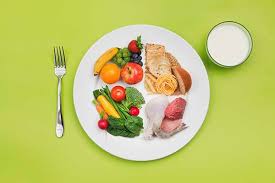
This blog explains nutrition for senior citizens in India in a practical, easy-to-follow way—keeping traditional Indian food habits in mind by Dt. Shreya Gupta Arora.
Why Nutrition Becomes More Important After 60
As we age, the body undergoes several changes:
- Slower metabolism
- Reduced muscle strength
- Decreased bone density
- Lower nutrient absorption
- Weaker immunity
Proper nutrition helps:
Maintain strength and mobility
Support digestion
Manage chronic conditions
Improve quality of life
Common Nutrition Challenges Faced by Indian Seniors
- Poor appetite
- Chewing or swallowing difficulty
- Constipation
- Acidity and bloating
- Low energy levels
- Multiple medications affecting digestion
Understanding these challenges helps tailor the right diet.
Key Nutritional Needs of Senior Citizens
Energy (Calories)
While calorie needs reduce with age, nutrient needs remain high.
Seniors should focus on:
Smaller, frequent meals
Nutrient-dense foods
Muscle-Supporting Nutrients
Loss of muscle mass is common with ageing, leading to weakness and falls.
Indian sources include:
- Dal and legumes
- Milk and curd
- Paneer and tofu
- Nuts and seeds
Adequate intake helps maintain strength and independence.
Bone Health Nutrients
Bone thinning increases fracture risk.
Important foods:
- Milk and milk products
- Ragi
- Sesame seeds
- Green leafy vegetables
Sunlight exposure supports calcium absorption.
Fiber for Digestion
Constipation is a major concern among seniors.
Include:
- Fruits (papaya, pear, apple)
- Vegetables
- Whole grains
- Soaked flaxseeds
Fiber supports bowel health and heart health.
Healthy Fats
Healthy fats support heart and brain function.
Include:
- Nuts
- Seeds
- Limited ghee
- Cold-pressed oils
Avoid excessive fried and processed foods.
Hydration
Dehydration is common as thirst sensation reduces with age.
2–2.5 liters fluids daily
Water, soups, buttermilk, coconut water
Proper hydration prevents fatigue and constipation.
Indian Foods Ideal for Senior Citizens
Breakfast Options
- Vegetable oats
- Soft idli with sambar
- Vegetable poha
- Dalia
Lunch Options
- Soft roti or rice
- Dal or curd
- Cooked vegetables
- Salad (grated or lightly steamed)
Dinner Options
- Vegetable soup
- Khichdi
- Paneer/tofu with vegetables
Light dinners improve digestion and sleep.
Diet Tips for Common Senior Health Conditions
Diabetes
- Regular meal timing
- Limit refined carbs
- Emphasize fiber and portion control
High Blood Pressure
- Reduce salt intake
- Increase potassium-rich foods
- Avoid pickles and packaged foods
Heart Disease
- Limit saturated fats
- Include nuts and seeds
- Avoid fried snacks
Weak Digestion
- Eat smaller meals
- Avoid very spicy foods
- Chew food well
Sample One-Day Diet Plan for Seniors
Morning:
Warm water + soaked almonds
Breakfast:
Vegetable dalia + milk
Mid-Morning:
Fruit
Lunch:
Roti/rice + dal + sabzi + curd
Evening:
Buttermilk + roasted chana
Dinner:
Vegetable soup + paneer/tofu
Balanced, easy to digest, and nutrient-rich.
Lifestyle Tips for Healthy Ageing
Daily walking or light yoga
Regular sleep routine
Sun exposure
Social interaction
Mental stimulation
Nutrition works best with an active lifestyle.
Common Mistakes to Avoid
Skipping meals
Relying only on tea and biscuits
Excess sugar and salt
Very restrictive diets
When Should Seniors Consult a Dietitian?
- Unexplained weight loss
- Poor appetite
- Multiple medical conditions
- Digestive problems
- Weakness or frequent falls
Personalized guidance ensures safety and better results.
FAQs (Frequently Asked Questions)
1. How many meals should seniors eat?
4–5 small meals daily.
2. Is milk good for elderly people?
Yes, if well tolerated.
3. Should seniors avoid fats?
No—healthy fats are important.
4. Can seniors follow vegetarian diets?
Yes, with proper planning.
5. How much water should seniors drink?
2–2.5 liters daily.
6. Is late dinner harmful?
Light dinner is recommended.
7. Can diet help joint pain?
Yes, anti-inflammatory foods help.
8. Are supplements always needed?
Not always—food first approach is preferred.
9. Can nutrition improve immunity?
Yes.
10. Is personalized diet better?
Absolutely.
Final Thoughts from Dt. Shreya Gupta Arora
Ageing does not mean compromising on health.
With the right nutrition and lifestyle, senior citizens can stay active, independent, and healthy for years.
Good food is the foundation of graceful ageing.
Call to Action
Looking for a safe, practical diet plan for your parents or elderly family member?
Get a personalized senior-friendly nutrition plan designed for Indian lifestyles.
Book an online consultation with Dt. Shreya Gupta Arora today and support healthy ageing naturally.