


Have you ever experienced this frustrating phase—
you start a diet, lose a few kilos, feel motivated… and then suddenly the scale stops moving?
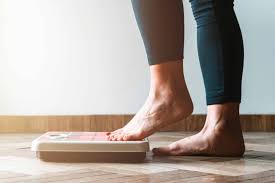
You’re eating carefully, exercising regularly, and doing “everything right,” yet your weight remains stuck. This is known as a weight loss plateau, and it’s one of the most common reasons people feel demotivated and quit healthy habits.

The good news?
Weight loss plateaus are normal.
They are fixable—naturally and safely.
Let’s understand why weight loss plateaus happen and how to break them without extreme dieting or supplements with the help on a expert Dt. Shreya Gupta Arora
What Is a Weight Loss Plateau?
A weight loss plateau occurs when your body stops losing fat despite continuing the same diet and exercise routine.
This usually happens after:
- Initial rapid weight loss
- Several weeks of calorie restriction
- Repeating the same food and workout patterns
It’s your body’s way of adapting and protecting itself.
Why Weight Loss Plateaus Happen (Especially in Indians)
Metabolism Adapts to Lower Intake
When you eat less for a long time, the body becomes efficient at using fewer calories—this slows fat loss.
Loss of Muscle Mass
If your diet is too restrictive, the body may lose muscle along with fat. Less muscle = slower metabolism.
Repeating the Same Routine
Doing the same meals and exercises daily reduces the body’s response over time.
Hormonal Changes
Stress, poor sleep, thyroid issues, PCOS, and insulin resistance can all block progress.
Under-Eating (Very Common!)
Many people think eating less will restart fat loss, but severe calorie cuts often worsen plateaus.
Common Signs You’ve Hit a Plateau
- Weight stuck for 2–3 weeks
- Inches not reducing
- Low energy levels
- Increased hunger or cravings
- Feeling tired despite dieting
This doesn’t mean your diet has failed—it means it needs adjustment, not punishment.
Biggest Mistakes People Make During a Plateau
Cutting calories further
Skipping meals
Overdoing cardio
Following random internet tips
Using fat-burning supplements
These steps often damage metabolism and delay results.
How to Break a Weight Loss Plateau NaturallyStop Starving – Eat Smartly
Under-eating signals the body to conserve fat.
Focus on balanced meals
Eat enough to fuel metabolism
Avoid long gaps between meals
Sometimes, eating slightly more—correctly—restarts fat loss.
Improve Meal Quality (Not Just Quantity)
Even “low-calorie” diets can stall progress if quality is poor.
Add more vegetables
Include strength-supporting foods
Reduce refined carbs and sugar
Nutrition quality matters more than numbers.
Change Your Exercise Pattern
Doing the same workout daily reduces effectiveness.
Add strength training
Mix walking with resistance exercises
Reduce excessive cardio
Muscle activity boosts metabolism and helps break plateaus.
Prioritize Sleep and Stress Control
High stress increases cortisol, which promotes fat storage.
Sleep 7–8 hours
Practice deep breathing
Reduce late-night screen time
Weight loss is hormonal, not just mathematical.
Eat Enough During the Day
Skipping meals leads to:
- Slower metabolism
- Evening overeating
- Fat storage
Eat every 3–4 hours
Avoid extreme fasting
Consistency beats restriction.
Increase Daily Movement (NEAT)
Not all calorie burn comes from workouts.
Walk more
Take stairs
Stay active throughout the day
Small movements add up significantly.
Check Micronutrient Gaps
Low iron, vitamin D, or B-complex can stall progress and cause fatigue.
Include nutrient-rich foods
Get levels checked if needed
Deficiencies slow metabolism silently.
Reassess Portion Sizes
Over time, portions may increase without notice.
Mindful eating
Use hunger cues
Avoid distracted eating
Portion awareness helps restart results.
Give Your Body a Short Diet Break
A planned increase in intake for a few days can:
Reset metabolism
Reduce stress hormones
Improve long-term fat loss
This should be done strategically, not as binge eating.
Personalize Your Diet Plan
Plateaus often mean your body needs a custom approach.
What works for others may not work for you.
Sample Indian Day to Break a Plateau
Breakfast:
Vegetable dal chilla + curd
Lunch:
Multigrain roti + dal + sabzi + salad
Snack:
Fruit + roasted chana
Dinner:
Vegetable soup + paneer/tofu
Balanced, satisfying, and metabolism-friendly.
How Long Does a Weight Loss Plateau Last?
With correct changes:
- Improvement starts in 1–2 weeks
- Visible results in 3–4 weeks
Patience + consistency are crucial.
When to Seek Expert Help
If your plateau lasts more than 3–4 weeks despite effort, you may need:
- Hormonal evaluation
- Personalized nutrition
- Lifestyle correction
Self-dieting often fails at this stage.
FAQs (Frequently Asked Questions)
1. Is a plateau normal during weight loss?
Yes, it’s a natural phase.
2. Does eating less always help?
No, it often worsens the plateau.
3. Can stress stop weight loss?
Yes, stress hormones promote fat storage.
4. Should I increase workouts?
Change workouts—don’t just increase duration.
5. Can women experience plateaus more often?
Yes, due to hormonal fluctuations.
6. Is walking enough to break a plateau?
Walking helps, but strength work is important.
7. How long should I wait before changing my plan?
2–3 weeks of no progress.
8. Can poor sleep cause a plateau?
Absolutely.
9. Are supplements needed?
Not usually.
10. Does personalized guidance help?
Yes, it speeds up results safely.
Final Words from Dt. Shreya Gupta Arora
A weight loss plateau is not failure—it’s feedback from your body. Instead of pushing harder, listen smarter. Nourish your body, manage stress, and adjust your approach.
Healthy weight loss is a journey, not a race.
Call to Action
Stuck at the same weight despite dieting and exercise?
Get a personalized plan designed to break your plateau safely and naturally.
Book your online consultation with Dt. Shreya Gupta Arora today and restart your progress the right way.