

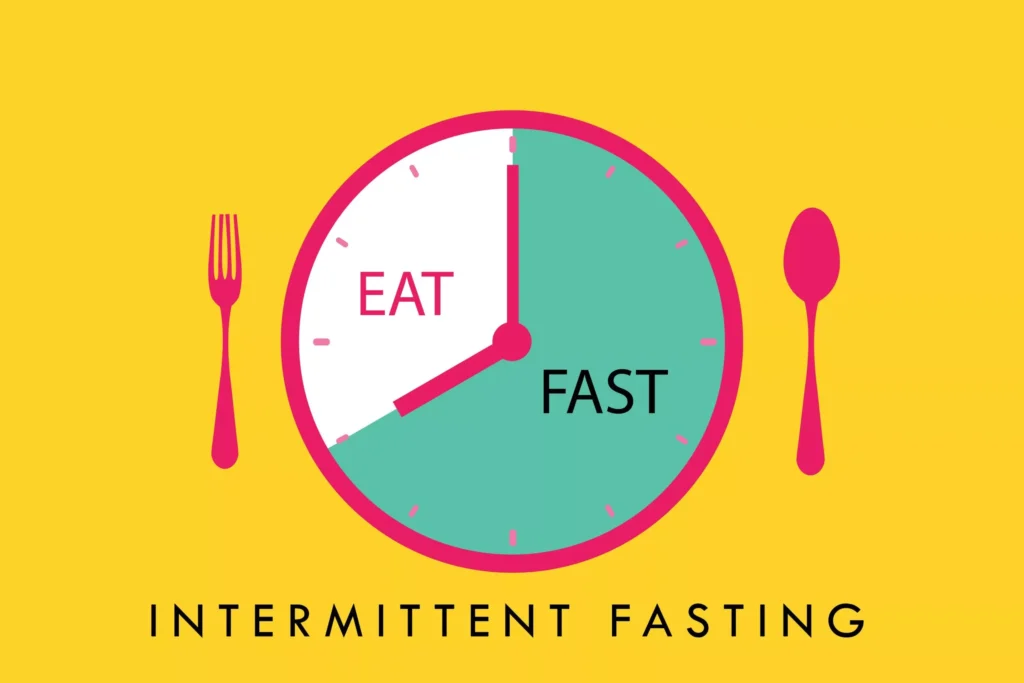
Intermittent fasting has become one of the most talked-about diet trends for weight loss and metabolic health. From celebrities to fitness influencers, everyone seems to be recommending it.

Indian food habits, meal timings, cultural practices, medical conditions, and lifestyle patterns are very different from Western countries where intermittent fasting became popular.
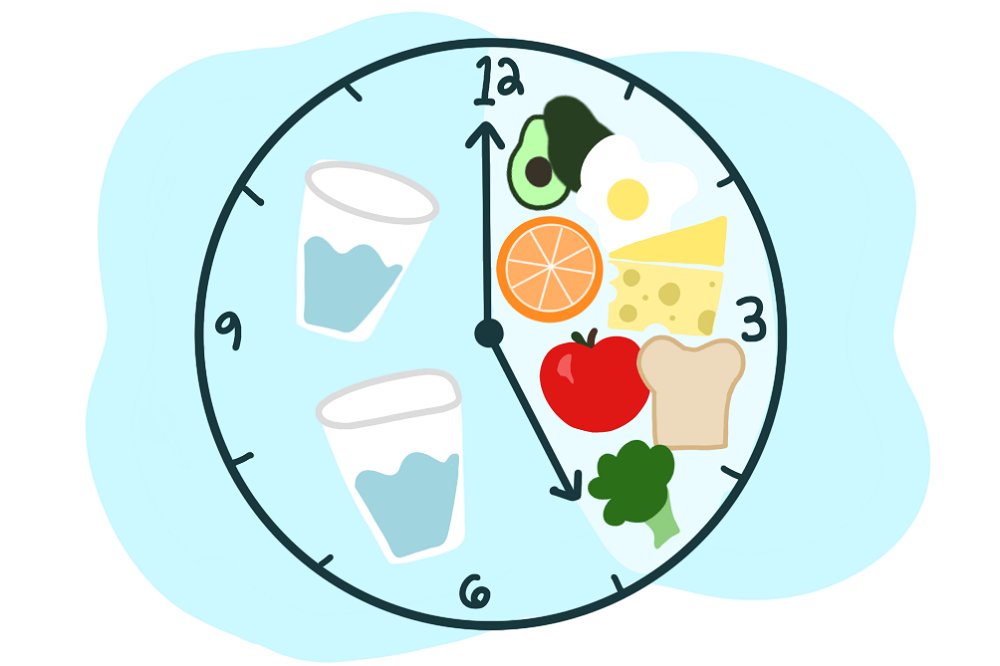
As a dietitian, I strongly believe that no diet is universally good or bad—its safety depends on who is following it and how it is followed. Let’s break down intermittent fasting from an Indian perspective and understand whether it is truly safe and effective.
What Is Intermittent Fasting?
It is not about what you eat, but when you eat. It involves cycling between periods of eating and fasting.
Common methods include:
16:8 Method
- 16 hours fasting
- 8 hours eating window
14:10 Method
- 14 hours fasting
- 10 hours eating window (more suitable for beginners)
12:12 Method
- 12 hours fasting, 12 hours eating
- Closest to traditional Indian eating patterns
5:2 Method
- Eat normally for 5 days
- Restrict calories on 2 non-consecutive days
Why Intermittent Fasting Became Popular
It gained popularity because of its claimed benefits:
Weight loss
Fat loss
Improved insulin sensitivity
Better digestion
Metabolic health
However, trends don’t always suit every population, especially when cultural and physiological differences exist.
Traditional Indian Eating Patterns vs Intermittent Fasting
Interestingly, Indians have practiced forms of fasting for centuries:
- Ekadashi fasting
- Navratri fasting
- Religious fasts
But there’s a big difference between occasional cultural fasting and daily intermittent fasting for weight loss.
Traditional Indian meals are:
- Carbohydrate-rich
- Often low in protein
- Based on home-cooked food
- Eaten multiple times a day
Applying Western fasting models without modification can cause problems.
Is Intermittent Fasting Safe for Indians?
The Short Answer:
It can be safe for some Indians—but not for everyone.
It depends on:
- Age
- Gender
- Medical history
- Lifestyle
- Stress levels
- Food choices
Who Can Safely Try Intermittent Fasting?
It may be suitable for:
Healthy adults
People with sedentary lifestyle
Individuals with insulin resistance (under guidance)
Those who overeat late at night
People who can eat balanced meals
If done correctly, it can help reduce calorie intake and improve digestion.
Who Should Avoid Intermittent Fasting?
It is NOT recommended for:
Pregnant women
Breastfeeding mothers
People with diabetes on medication
Thyroid patients (especially hypothyroidism)
PCOS/PCOD with irregular cycles
People with anemia
History of eating disorders
Very active individuals
For these groups, fasting can worsen hormonal imbalance and nutrient deficiencies.
Common Mistakes Indians Make with Intermittent Fasting
This is where it becomes unsafe.
Skipping Meals Without Nutritional Balance
Many people fast all day and then eat:
- Refined carbs
- Fried foods
- Sugary snacks
This damages metabolism instead of improving it.
Too Much Tea or Coffee During Fasting
Excess caffeine causes:
- Acidity
- Dehydration
- Hormonal stress
Protein Deficiency
Indian diets are already low in protein. Fasting without adequate protein leads to:
- Muscle loss
- Weakness
- Hair fall
Ignoring Hunger Signals
Chronic hunger increases:
- Cortisol (stress hormone)
- Fat storage
- Binge eating
Does Intermittent Fasting Help with Weight Loss?
Yes—but only under certain conditions.
Weight loss occurs due to:
Calorie deficit
Better insulin control
Reduced late-night eating
However, it is not magic.
If you:
- Overeat in eating window
- Eat poor quality food
- Skip protein and fiber
You may not lose weight at all.
Intermittent Fasting vs Balanced Indian Diet
| Intermittent Fasting | Balanced Indian Diet |
|---|---|
| Focus on timing | Focus on nutrition |
| Not suitable for all | Suitable for most |
| Can cause nutrient gaps | Nutritionally complete |
| Requires discipline | More sustainable |
For many Indians, a balanced, portion-controlled diet works better than fasting.
How to Do Intermittent Fasting Safely (Indian Style)
If you still want to try it, follow these dietitian-approved tips:
Start Slow
Begin with 12:12 or 14:10, not 16:8 immediately.
Eat Protein-Rich Meals
Include:
- Dal
- Paneer
- Curd
- Sprouts
Protein prevents muscle loss.
Avoid Junk During Eating Window
Your eating window is not a free-for-all.
Stay Hydrated
Drink:
- Water
- Jeera water
- Coconut water
Stop if You Feel Weak
Dizziness, acidity, irritability = warning signs.
Sample Indian Intermittent Fasting Day (14:10)
Eating Window: 9 AM – 7 PM
Breakfast (9 AM):
Vegetable oats + curd
Lunch (1 PM):
Roti, dal, sabzi, salad
Snack (4:30 PM):
Fruit + nuts
Dinner (6:30–7 PM):
Vegetable soup + paneer
Fasting Window:
7 PM – 9 AM (water allowed)
Can Intermittent Fasting Affect Hormones?
Yes—especially in women.
Long fasting hours can:
- Disrupt menstrual cycles
- Increase stress hormones
- Slow metabolism
Women need more nutritional consistency than men.
Intermittent Fasting and Gut Health
For some people:
Improves digestion
For others:
Causes acidity and bloating
Gut response is individual—there is no one-size-fits-all rule.
Dietitian’s Honest Opinion
As a dietitian, I don’t blindly promote intermittent fasting.
If done incorrectly, it can harm more than help.
If done under guidance, it can be beneficial for selected individuals.
For most Indians, especially women, a balanced, regular meal pattern works better and is more sustainable.
FAQs (Frequently Asked Questions)
1. Is intermittent fasting good for Indians?
It can be—but not for everyone.
2. Can Indians lose weight without intermittent fasting?
Yes, absolutely.
3. Is 16:8 fasting safe?
Only for healthy individuals under guidance.
4. Can diabetics do intermittent fasting?
Only with medical supervision.
5. Is intermittent fasting good for women?
Not always—women need caution.
6. Can I drink tea during fasting?
Plain tea occasionally, but avoid excess.
7. Does intermittent fasting slow metabolism?
It can, if done improperly.
8. Is breakfast skipping healthy?
Not for everyone.
9. Is intermittent fasting better than calorie counting?
Depends on the individual.
10. Should I consult a dietitian before trying IF?
Yes, strongly recommended.
Final Words from Dt. Shreya Gupta
It is a tool, not a rule. It can support health for some Indians, but for many, it creates nutritional gaps and hormonal stress.
Instead of blindly following trends, choose a plan that suits your body, culture, and lifestyle.
Call to Action
Confused whether it is right for you?
Get expert guidance with a personalized diet plan designed for your body and lifestyle.
Book your online consultation with Dt. Shreya Gupta Arora today and achieve healthy, sustainable results.