

In today’s fast-paced world, everyone wants quick results—especially when it comes to weight loss and fitness. From keto and detox diets to juice cleanses and zero-carb plans, fad diets promise rapid transformation. But are these diets truly effective and safe?
On the other hand, a balanced diet focuses on long-term nourishment, health, and sustainability. In this blog, we’ll explore , compare their benefits and risks, and help you choose the right path for lifelong wellness.
As a professional dietitian in Delhi, I strongly believe that health is not a short-term goal but a lifelong journey.
What Is a Balanced Diet?
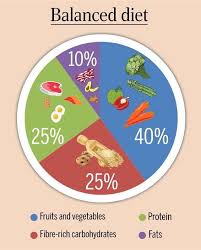
A balanced diet provides all essential nutrients—carbohydrates, proteins, fats, vitamins, minerals, and fiber—in the right proportions to maintain overall health.
Key Components
- Whole grains (roti, brown rice, oats)
- Lean proteins (dal, paneer, eggs, fish, chicken)
- Healthy fats (nuts, seeds, ghee, olive oil)
- Fruits and vegetables
- Adequate hydration
Benefits
It supports overall well-being, not just weight loss.
1. Sustainable Weight Loss
Weight loss occurs gradually and naturally without starving the body.
2. Better Digestion
Fiber-rich foods improve gut health and prevent constipation.
3. Improved Immunity
Vitamins and minerals strengthen the immune system.
4. Stable Energy Levels
Balanced meals prevent fatigue and sudden energy crashes.
5. Hormonal Balance
Proper nutrition supports thyroid, insulin, and reproductive hormones.
It is customized, practical, and suitable for all age groups.
What Is a Fad Diet?
A fad diet is a trendy eating plan that promises quick weight loss with extreme rules or food restrictions.
Common Examples of Fad Diets
- Keto diet
- Detox or juice cleanse
- Zero-carb diet
- GM diet
- Soup diet
- One-food diets
These diets often eliminate entire food groups and are not backed by long-term scientific evidence.
Why Are Fad Diets So Popular?
Fad diets gain popularity because they:
- Promise quick weight loss
- Are heavily marketed on social media
- Use celebrity endorsements
- Appear simple and easy to follow
However, what looks easy at first often becomes difficult and harmful over time.
Balanced Diet vs Fad Diet: Key Differences
| Feature | Balanced Diet | Fad Diet |
|---|---|---|
| Approach | Long-term health | Quick results |
| Sustainability | High | Very low |
| Nutrient balance | Complete | Deficient |
| Weight loss | Gradual | Rapid but temporary |
| Side effects | Minimal | High |
| Expert recommendation | Yes | No |
Why Fad Diets Are Not Sustainable
1. Nutrient Deficiency
Eliminating food groups can lead to:
- Weak immunity
- Hair fall
- Fatigue
- Vitamin and mineral deficiencies
2. Muscle Loss
Rapid weight loss often includes muscle loss, slowing metabolism.
3. Hormonal Imbalance
Extreme calorie restriction affects thyroid, insulin, and reproductive hormones.
4. Weight Regain (Yo-Yo Effect)
Most people regain lost weight once the diet stops—often gaining more than before.
Why a Balanced Diet Is the Best Choice
1. Supports Long-Term Weight Loss
A balanced diet focuses on fat loss, not water or muscle loss.
2. Improves Mental Health
Proper nutrition reduces stress, anxiety, and mood swings.
3. Enhances Gut Health
Fiber-rich foods support digestion and gut bacteria.
4. Suitable for Indian Lifestyle
A balanced Indian diet includes familiar foods like dal, sabzi, roti, and curd—making it easy to follow.
Balanced Diet for Weight Loss
It includes:
- Portion control
- Adequate protein intake
- Low-GI carbohydrates
- Healthy fats
- Regular meal timing
Unlike fad diets, it does not starve the body.
Balanced Diet for Lifestyle Diseases
It helps to manage:
- Diabetes
- Thyroid disorders
- PCOS
- High cholesterol
- Blood pressure
Personalized nutrition plans are especially important for people with medical conditions.
Role of a Dietitian in Planning a Diet
A professional dietitian:
- Assesses medical history
- Designs personalized meal plans
- Prevents nutrient deficiencies
- Supports sustainable lifestyle changes
At Delhi Dietician, we focus on real food, real results, and real health.
Common Nutrition Myths Promoted by Fad Diets
Carbs make you fat
Skipping meals helps weight loss
Detox diets clean your body
Eating fat causes fat gain
Truth: Balance, portion control, and consistency matter more than restrictions.
Why People Fail on Fad Diets
- Unrealistic rules
- Severe hunger
- Lack of flexibility
- Social restrictions
- Mental fatigue
Most people eventually quit and regain the lost weight, leading to the yo-yo dieting cycle.
Balanced Diet vs Fad Diet: Which Should You Choose?
If your goal is:
- Long-term weight management
- Better immunity
- Hormonal health
- Sustainable lifestyle
Balanced diet is the key for the goals one have in its life .Fad diets may look attractive, but they rarely deliver lasting results.
How to Start a Balanced Diet
- Eat regular meals
- Include all food groups
- Avoid extreme restrictions
- Stay hydrated
- Seek expert guidance
Small, consistent changes bring lasting results.
Conclusion
When comparing , the answer is clear. A balanced diet is not just a meal plan—it’s a lifestyle. It nourishes your body, supports mental well-being, and ensures long-term health without deprivation.
If you’re tired of trying quick-fix diets and want a healthy, sustainable approach, consult a qualified dietitian and start your journey toward true wellness today.
CTA ( CALL TO ACTION )
Ready to choose health over shortcuts?
Book a personalized diet consultation today and start your sustainable weight-loss journey with an expert dietitian in Delhi.
FAQs ( FREQUENTLY ASKED QUESTIONS )
1. What is the main difference between a balanced diet and a fad diet?
A balanced diet supports long-term health, while fad diets focus on quick, temporary weight loss.
2. Are fad diets harmful?
Yes, they can cause nutrient deficiencies, hormonal imbalance, and weight regain.
3. Can I lose weight with a balanced diet?
Absolutely. It promotes steady and sustainable fat loss.
4. How long does it take to see results with a balanced diet?
Healthy results typically appear within 3–4 weeks and last longer.
5. Is a balanced diet suitable for diabetics?
Yes, when customized by a dietitian.
6. Why do people regain weight after fad diets?
Because extreme restriction slows metabolism and causes rebound eating.
7. Can Indian food be part of a balanced diet?
Yes! Indian meals are naturally balanced when planned correctly.
8. Do I need supplements on a balanced diet?
Usually not, unless prescribed by a healthcare professional.
9. Who should avoid fad diets?
Everyone—especially people with diabetes, PCOS, thyroid issues, or heart problems.
10. How can a dietitian help me?
A dietitian creates a personalized, practical, and sustainable nutrition plan.